Skip to content
Aerial view of a North Sea storm cyclone approaching the British coastline at dusk

Future trends · 2026–2030

The next four years are about watts, wafers and who is allowed to ship.

Cyclonic Realm’s trend map is a working document, not a prophecy. These are the systems we think will decide British technology through the end of the decade.

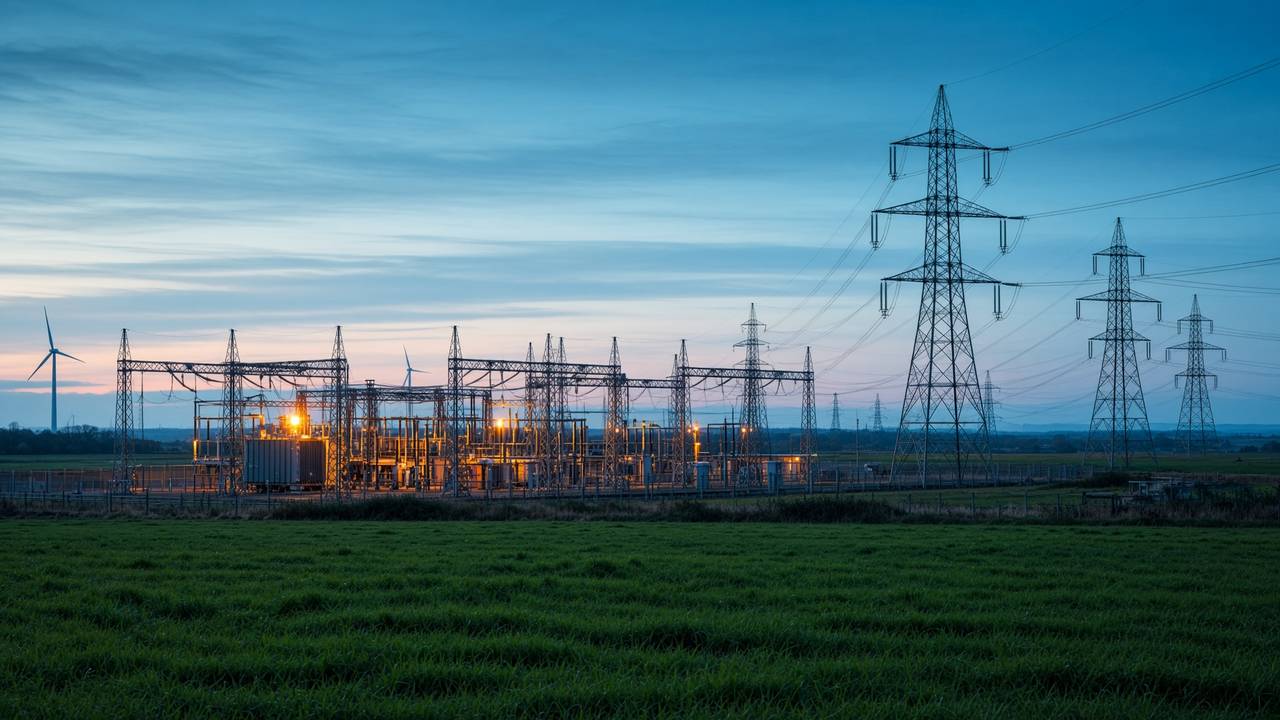
UK electrical substation and pylons at twilight with distant wind turbines

01 · Energy for intelligence

Compute is now an energy project with a software department.

The UK’s own compute planning assumes at least 6 GW of AI-capable data-centre capacity by 2030. Growth Zones are being steered toward places with spare electrons and, in some cases, toward new nuclear and private-wire ideas. That is a different industry from the one that leased a shed in Slough and called it cloud.

The trend to watch is not “more AI”. It is the coupling of generation, transmission, water and planning into a single digital-infrastructure file. Firms that still brief their boards only on model names will walk into a grid conversation unprepared.
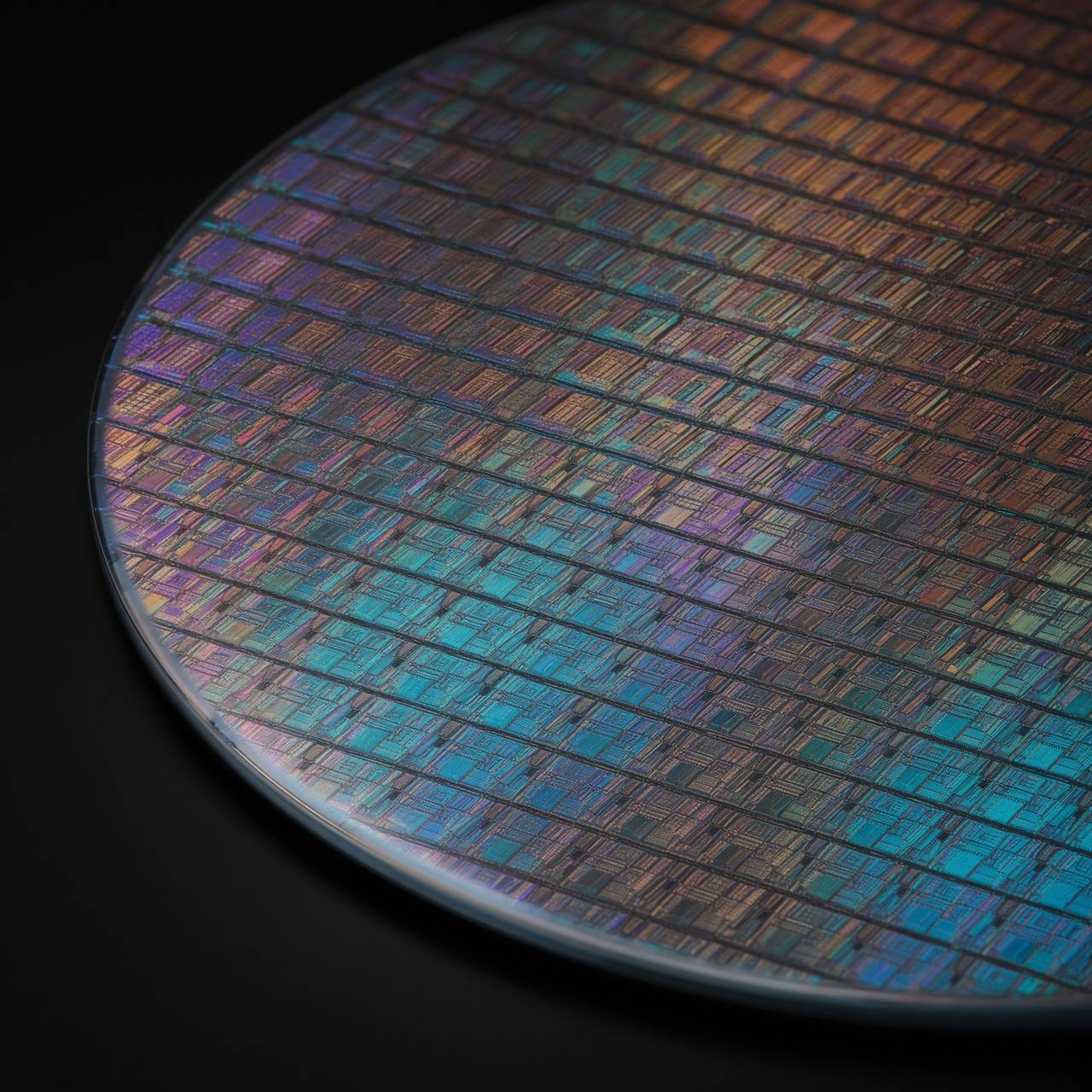

Macro photograph of a silicon wafer with iridescent circuit patterns

02 · Sovereign silicon

The state wants to be a first customer of British chips.

The hardware plan’s most important clause is not the headline fund. It is procurement: hundreds of millions earmarked so that a public supercomputer can pull through novel architectures. That is industrial strategy by purchase order.

If it works, UK design houses get a reference workload. If it slips, the money becomes another delayed competition. Our coverage will track award dates, not slogans.

Portland stone government buildings in Westminster at dusk with wet pavements

03 · Permission to test

Regulation is becoming a product feature.

Whitehall has spent 2026 arguing that the UK can be the fastest AI adopter in the G7 without becoming the loosest. Sandbox powers, a Financial Services AI Adoption Plan, and a joint posture with frontier labs are all attempts to make supervision a competitive advantage.

The trend underneath is dull and decisive: firms will win UK business by being able to explain a system to a regulator in English, with evidence, on a Tuesday.

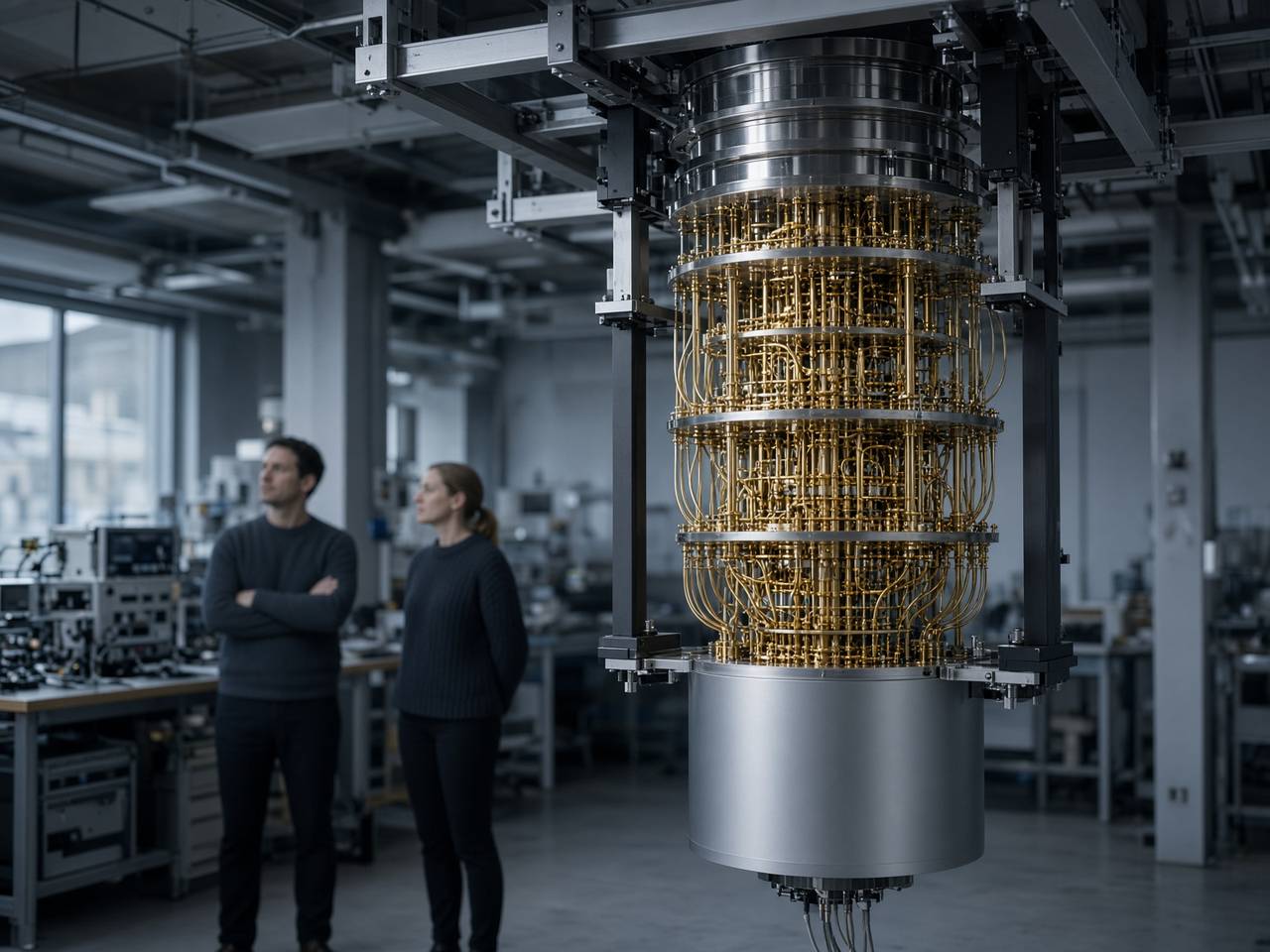
Quantum computing dilution refrigerator in a UK laboratory

04 · Quantum

Scale-up capital arrives before scale-up physics.

Record rounds do not collapse decoherence. They do buy time, people and cryogenics. We will keep separating scientific milestones from fundraising theatre.

High-speed train moving through wet Yorkshire countryside at dusk

05 · Mobility data

Transport becomes a software network with rails attached.

Signalling, ticketing and freight routing are where UK digital policy meets places that still run on paper and radio. The story is operations, not apps.

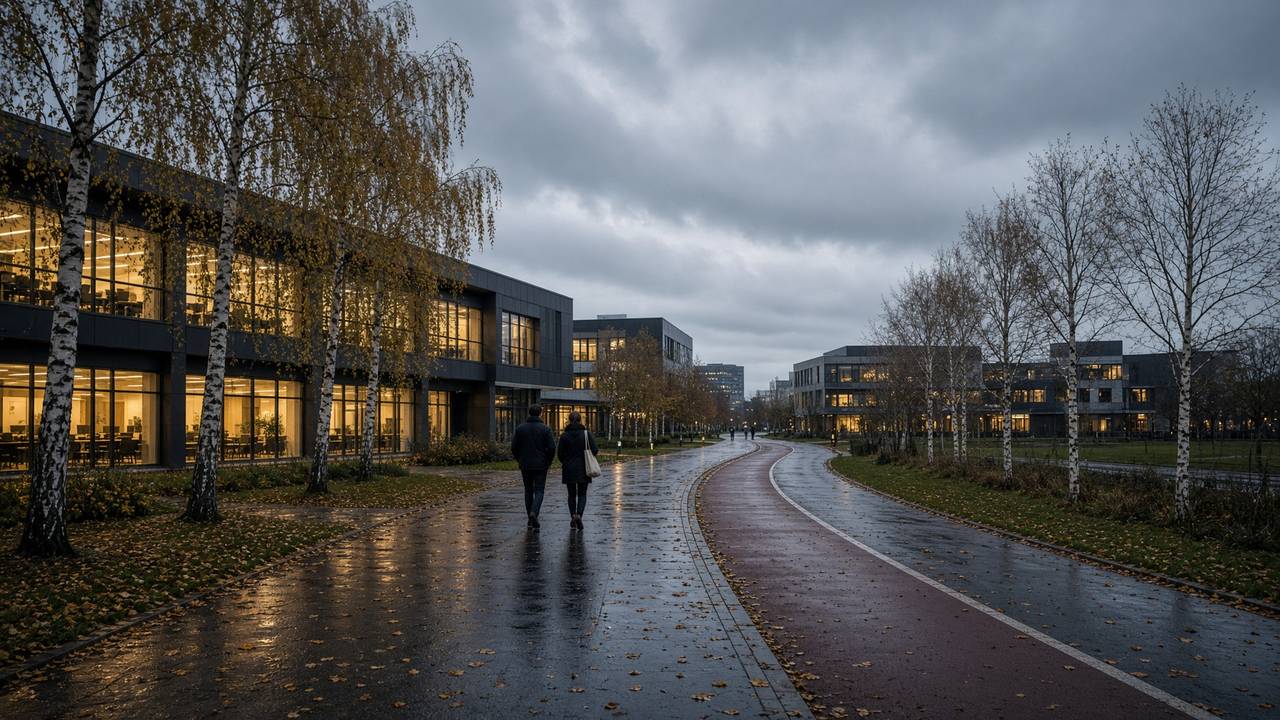
Cambridge science park at dusk with research buildings and cycle paths

06 · Skills geography

Bursaries will not refill a leaked pipeline.

Undergraduate support in electronics and materials is expanding. Retention is the harder number. We track where graduates actually work two years later.