Cyclonic Realm analysis is reported from primary UK documents and from people who run the systems those documents describe. We publish when we have something to add, not when the content calendar is empty.
How we work a file
A typical analysis starts with the instrument itself — a white paper, a sector study, a funding notice, a prospectus — and then asks what would have to be true in the physical world for the claim to land. We read energy, planning, procurement and labour as part of the technology story, because they are.
We do not sell access journalism as a lifestyle. If a company will only speak off the record, we say so. If a department will only provide a statement, we print the statement and the gap.
12 June 2026 · Imran Shah
The hardware plan is a bet on purchase orders.
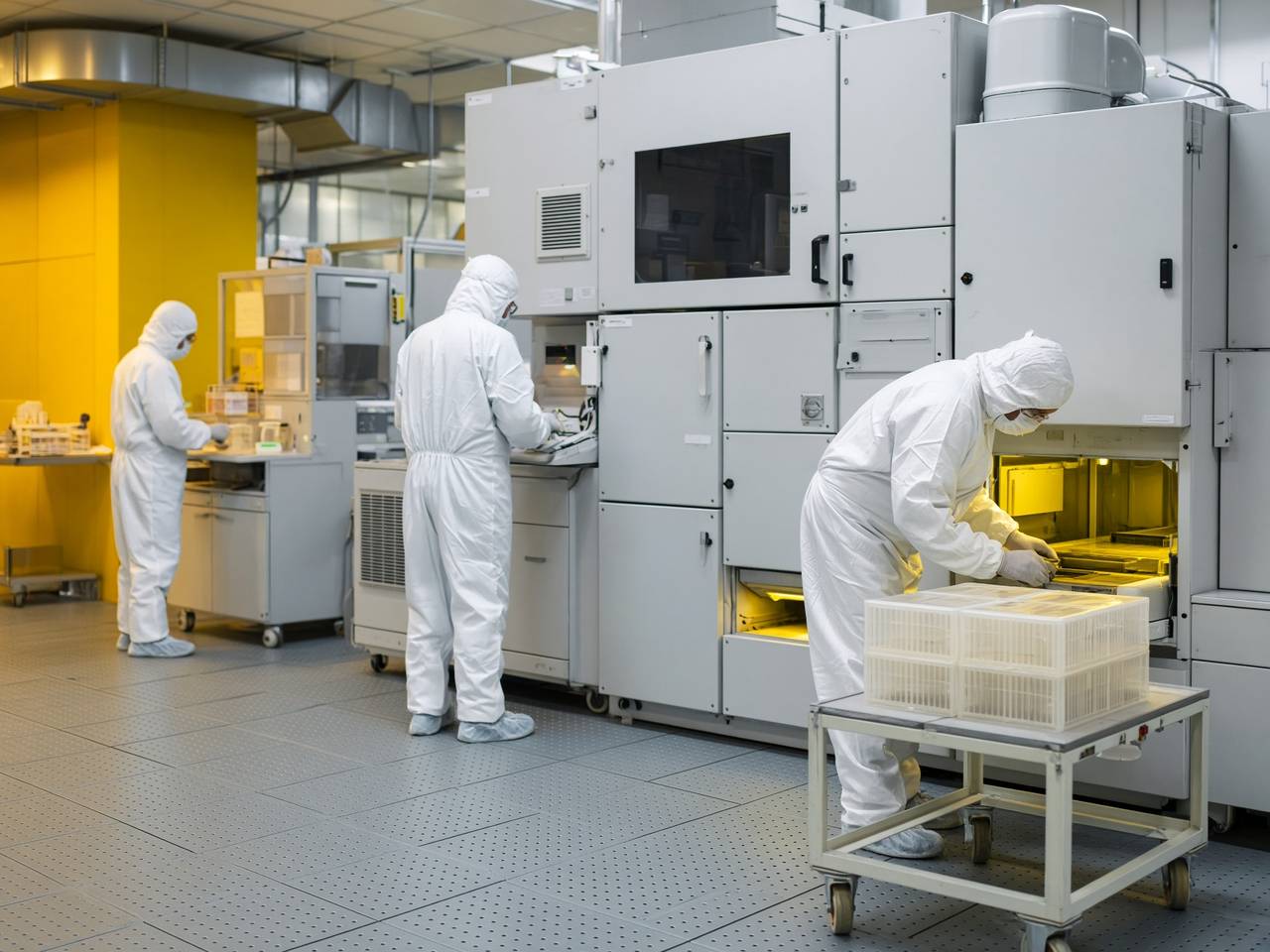
On paper, the United Kingdom now has an AI hardware strategy with a price: more than £1.1 billion of public and private effort, including a £120 million innovation programme, £80 million for semiconductor and hardware skills, and a £750 million heterogeneous supercomputer for the AI Research Resource. Inside that machine sits a £400 million specialised-chip buy, with an expanded advanced market commitment aimed at novel inference silicon.
This is not a science-budget story. It is a customer story. For a generation, British chip design has been excellent at selling IP into someone else’s fab. The new posture tries to make the British state — via AIRR — a demanding first buyer of architectures that do not yet have a hyperscaler design-win. That is a harder job than writing a strategy document, and a more interesting one.
The failure mode is familiar: competitions that drift, specifications that quietly revert to whatever is already on the global price list, and skills money that trains people who then leave. The success mode is narrower and better: a public workload that British houses can point to when they raise, hire and export. We will measure the plan by award notices and installation dates, not by the launch lectern.
June 2026 · Nia Okonkwo
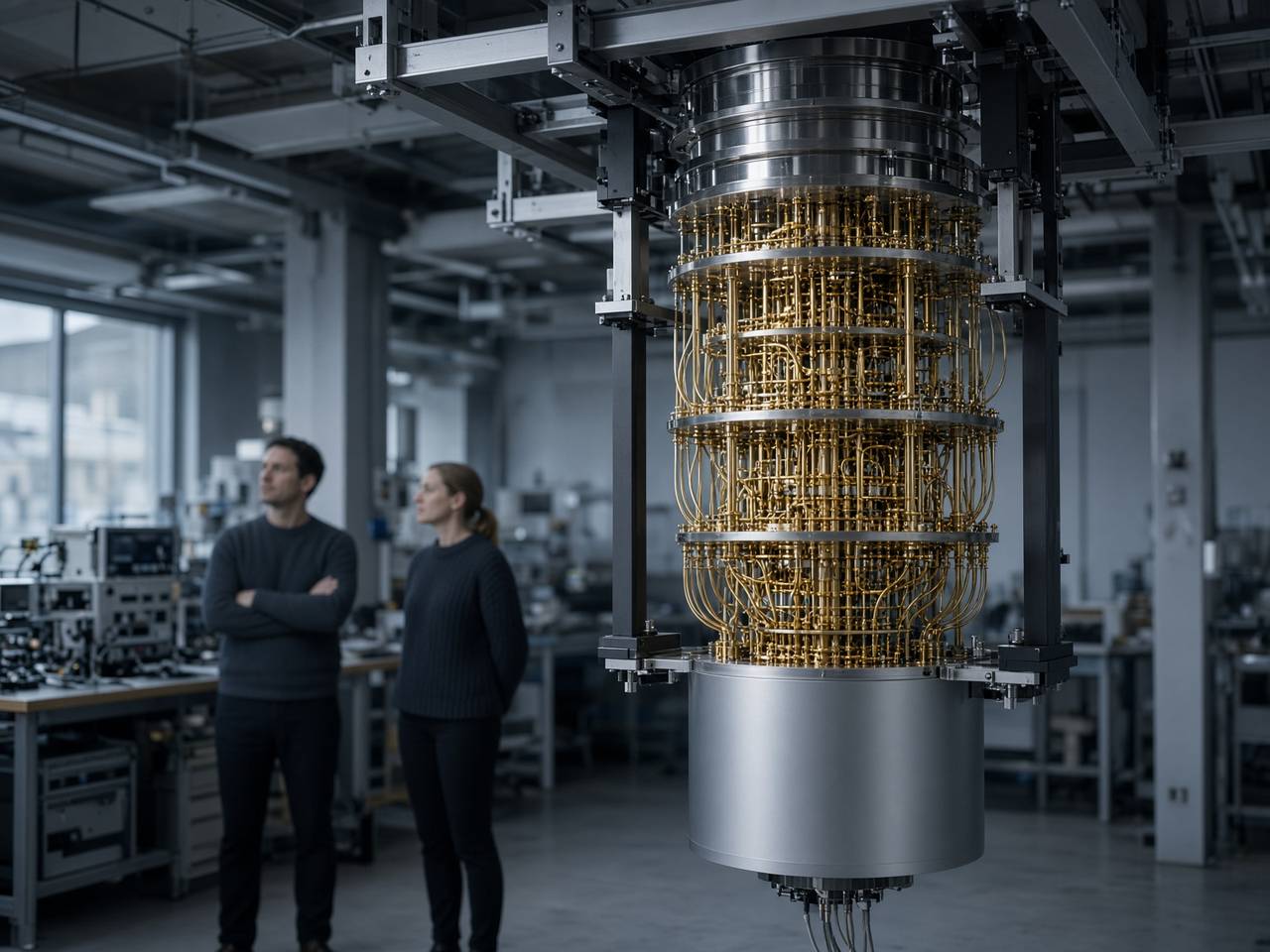
A £260 million quantum round is a capital-markets event with a cryostat attached.
Oxford Quantum Circuits’ 2026 round, backed in part by the British Business Bank, was billed as the largest quantum financing in the UK. That is true as a fundraising fact. It is not yet true as an industrial fact. Quantum computing remains a scientific programme that is learning to speak like a company.
What changed is the state’s willingness to sit on the cap table of hardware that will not produce conventional revenue this parliament. The same week, the Bank put a nine-figure cornerstone into a deep-technology fund aimed at UK hardware firms. Patient capital is being used as a tool of technology policy. That is the story worth briefing a board on.
Our working rule: celebrate the science when the science moves; celebrate the money when the money is actually patient. Mixing the two is how countries get a slide deck instead of a machine.
Summer 2026 · Mara Ellison
Adoption money cannot outrun the grid.
A £200 million-class push to make Britain the fastest AI adopter in the G7 is, as industrial politics, coherent. Bridge AI, scholarships, a new economics institute and lab-government statements all address the demand side: firms that do not know how to use the tools, and a labour market that is about to argue over them.
The supply side is steel, copper and planning. Data-centre capacity, connection queues and the politics of new generation will decide whether adoption is a software story or an energy story. Cyclonic Realm’s position is unromantic: we will keep putting the megawatt next to the model.
Cookies on this site
Cyclonic Realm stores a single preference so we can remember your choice. We do not run advertising trackers. Read the Privacy Policy.